All storiesHollin · No. 14, Salt
Food
Brine, slowly
Everything a pickle needs is salt, water and time. Our food editor on the jars that line her kitchen from September to spring, with a recipe for the simplest one.
Words by Marta QuellPhotographs by Tobias Reyne3 min read
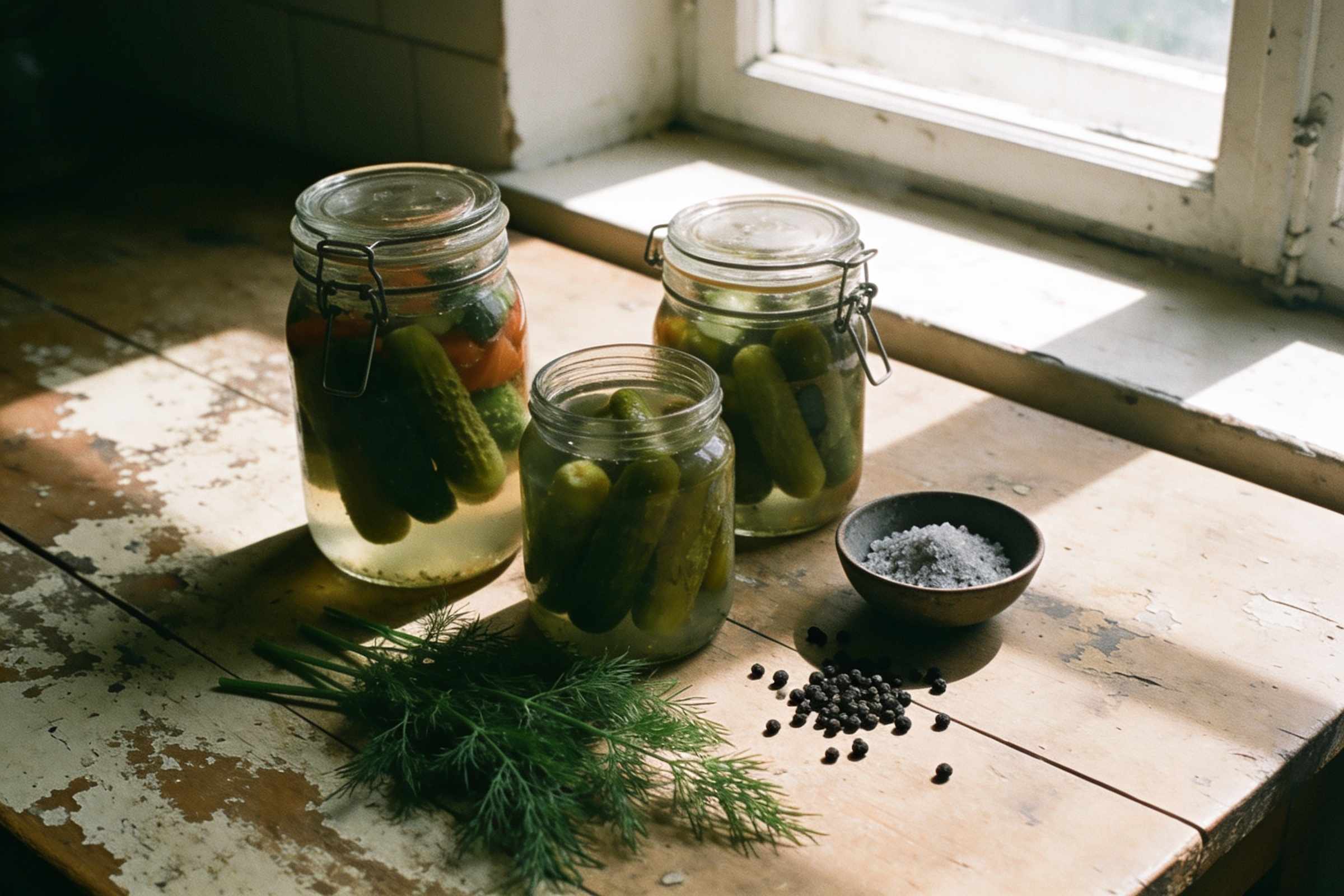
There is a week in late September when my kitchen smells like a harbour. The windows steam up, every surface is covered in jars, and the bowl of salt on the table empties faster than I can fill it. It is the week I put the summer away.
I don’t mean vinegar pickles, though I make those too. I mean the old way: vegetables under a salt brine, left at room temperature until the bacteria that live on their skins turn some of their sugar into acid. It is the slowest cooking I know, and the least effort. You do almost nothing, and then you wait.
Two per cent, more or less
The only number worth remembering is two. A brine of about two per cent salt by weight, twenty grams to a litre of water, is enough to keep the wrong bacteria out and let the right ones get on with it. Less, and things go soft. More, and they go slowly, which isn’t always a bad thing in a warm kitchen.
The cloudiness that frightens people the first time is the whole point. It means something is alive in there.
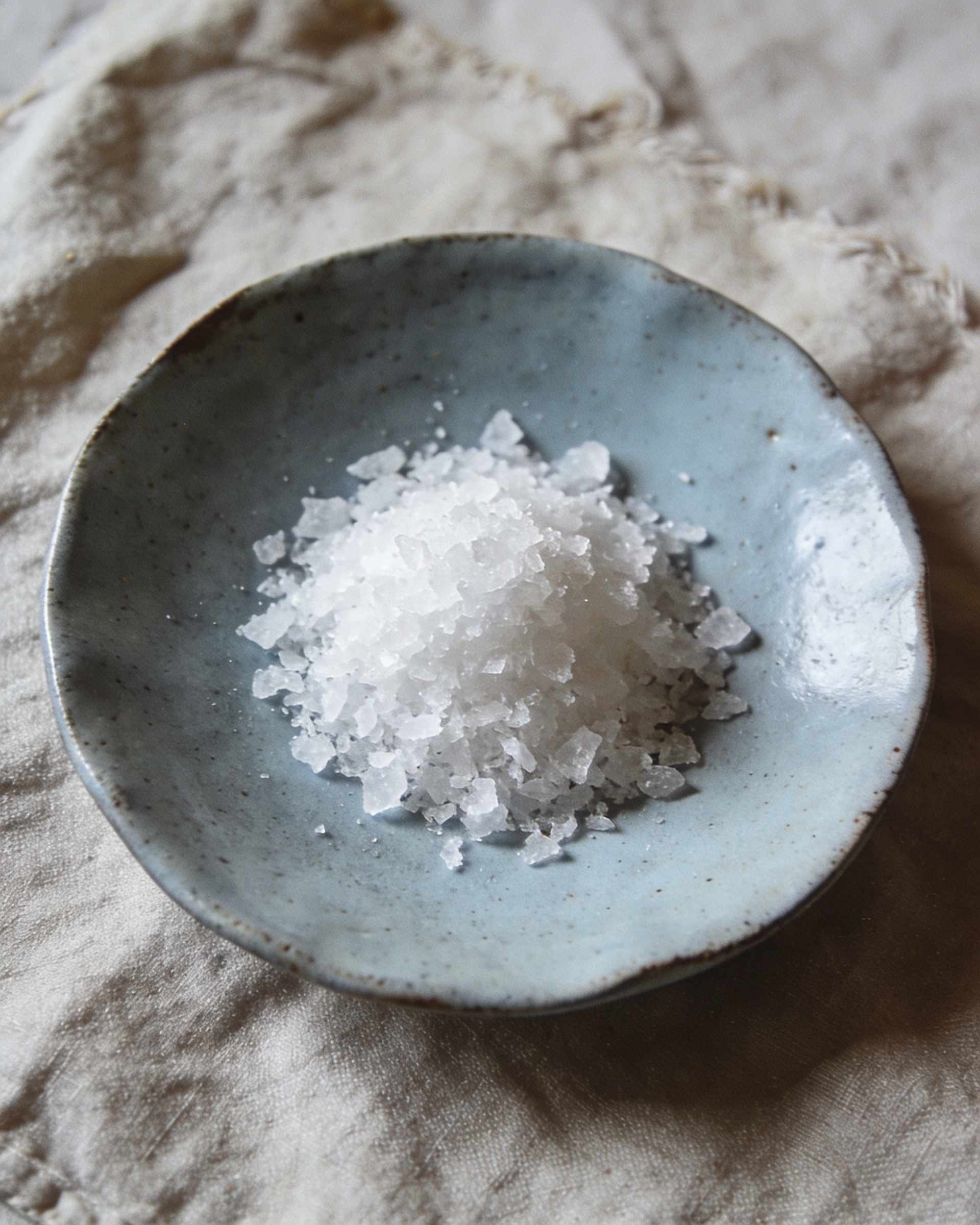
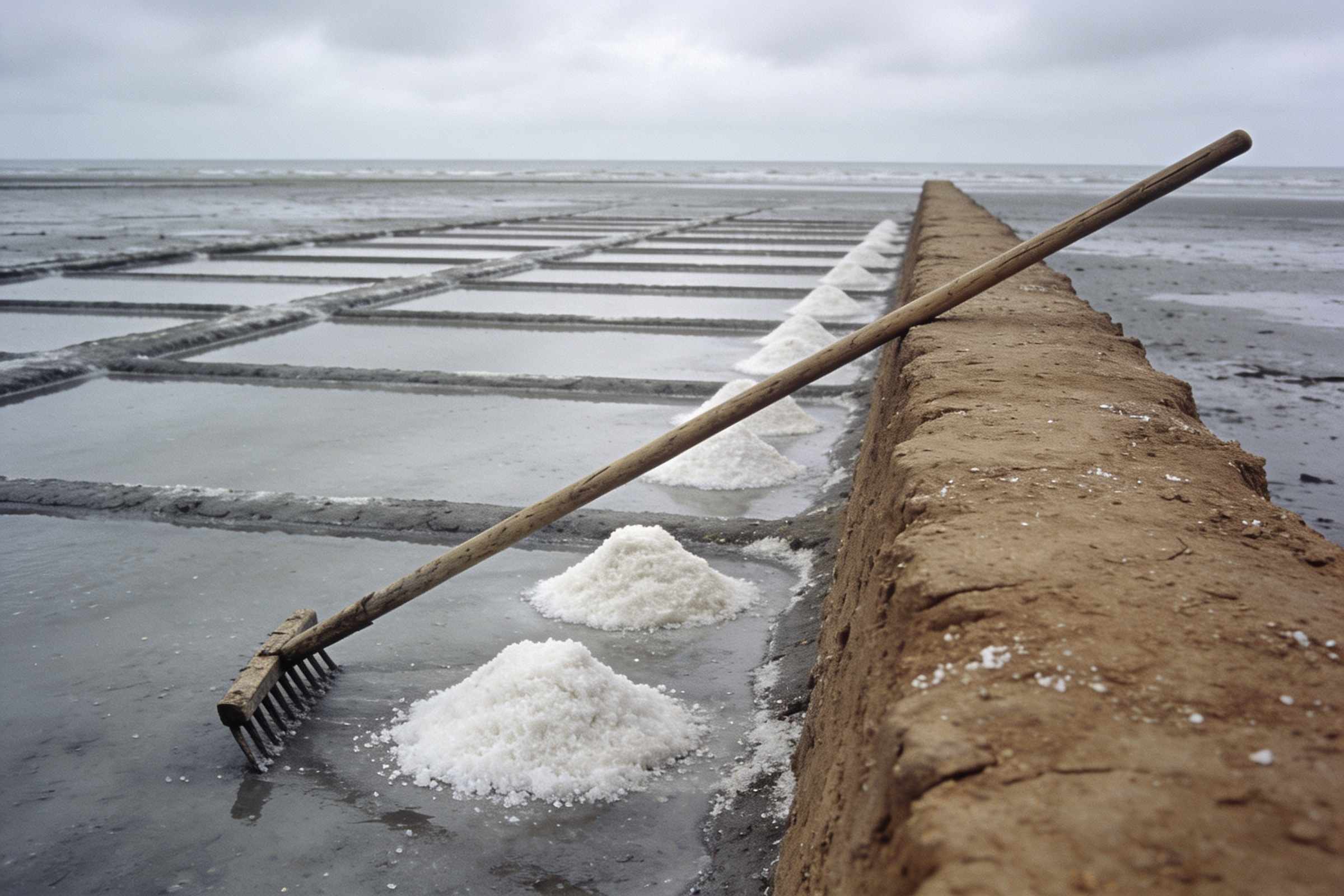
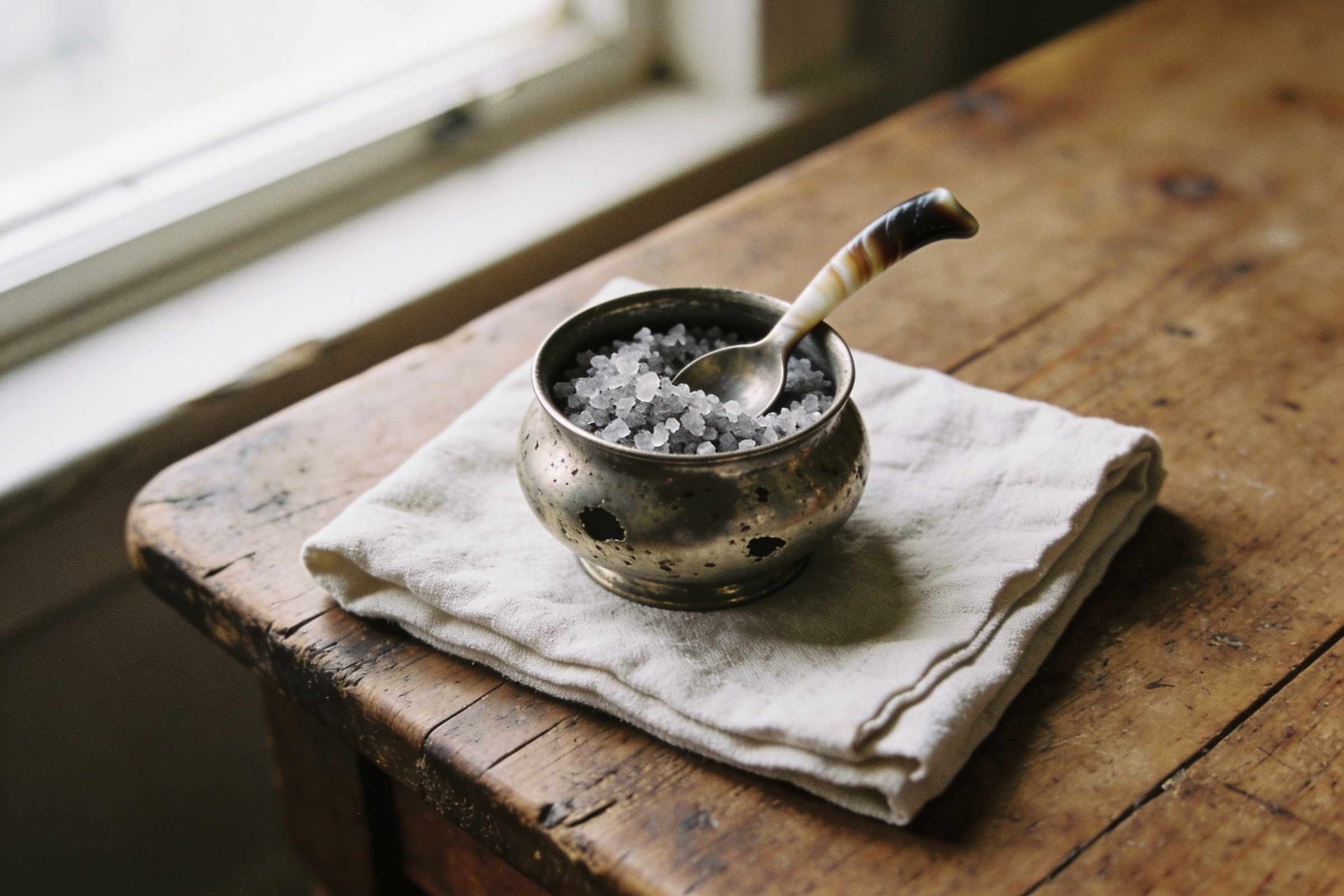
I use the grey salt from Morrow Ness for this, partly out of loyalty and partly because I think the minerals in it help the cucumbers stay crisp. I have no evidence for that at all.
The simplest jar
For a one-litre jar you need:
- about 600 g of small, firm cucumbers, washed, ends trimmed
- 2 cloves of garlic, a few sprigs of dill, a teaspoon of black peppercorns
- a vine, oak or blackcurrant leaf, if you have one (the tannins keep things crunchy)
- 20 g of coarse sea salt dissolved in 1 litre of cool water
Pack the cucumbers tightly into the jar with the garlic, dill and pepper, tuck the leaf on top, and pour over enough brine to cover everything by a finger’s width. Weigh it down with a small glass or a clean stone in a bag, so nothing floats up into the air. Cover loosely and leave on a plate (it will bubble over) somewhere out of the sun.
After three days, taste one. After five, taste another. When they’re sour enough for you, put the lid on properly and move the jar to the fridge, where it will keep, slowing all the time, until about February.
By then the jars on my shelf are mostly empty, and I start to look forward to the cucumbers of next summer. That, I think, is what preserving is really for. Not to make food last forever, just long enough to want it again.
End of story.